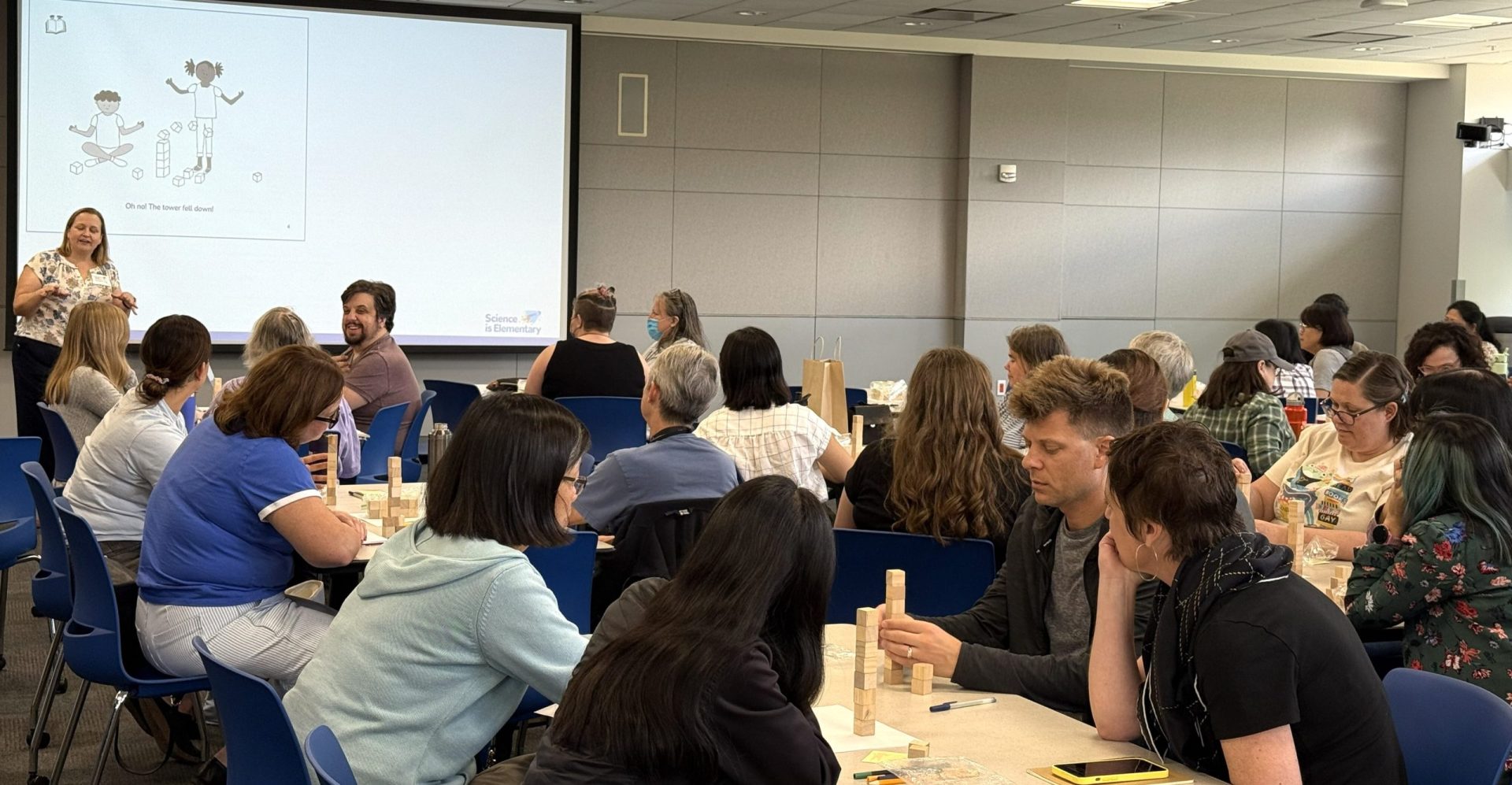

You don’t have to be a scientist to inspire one
Hear how practical training helps educators build confidence and bring hands-on science into children’s everyday learning.
In their words
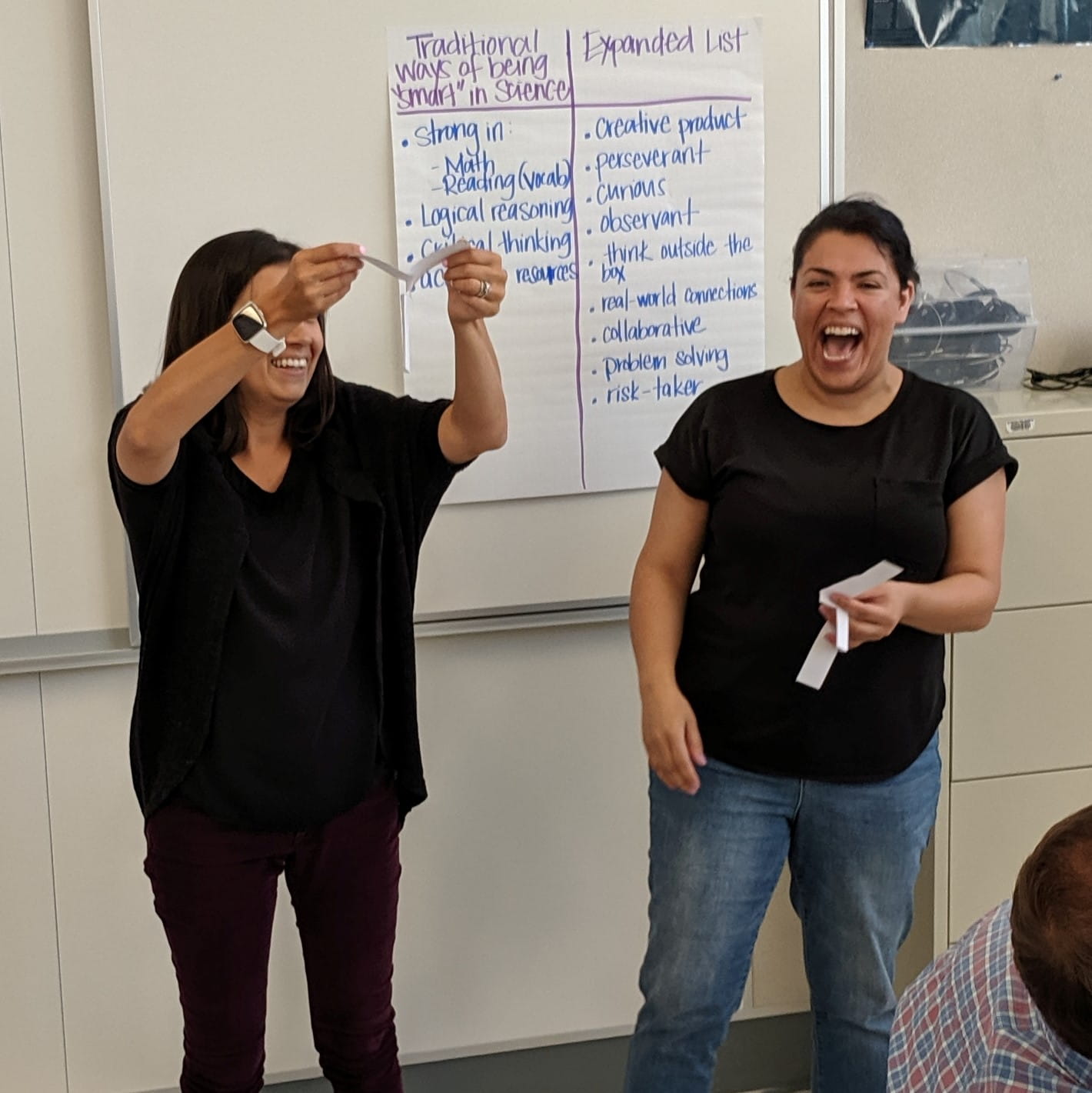
It was a great eye opener.
Teachers tell us the same thing again and again: the science was already there.
“It was a great eye opener to see that we are already implementing science in our classroom. Now with your training we can improve.”
Preschool Teacher, Redwood City Child Development Program
For preschool directors
Science is play and play is science
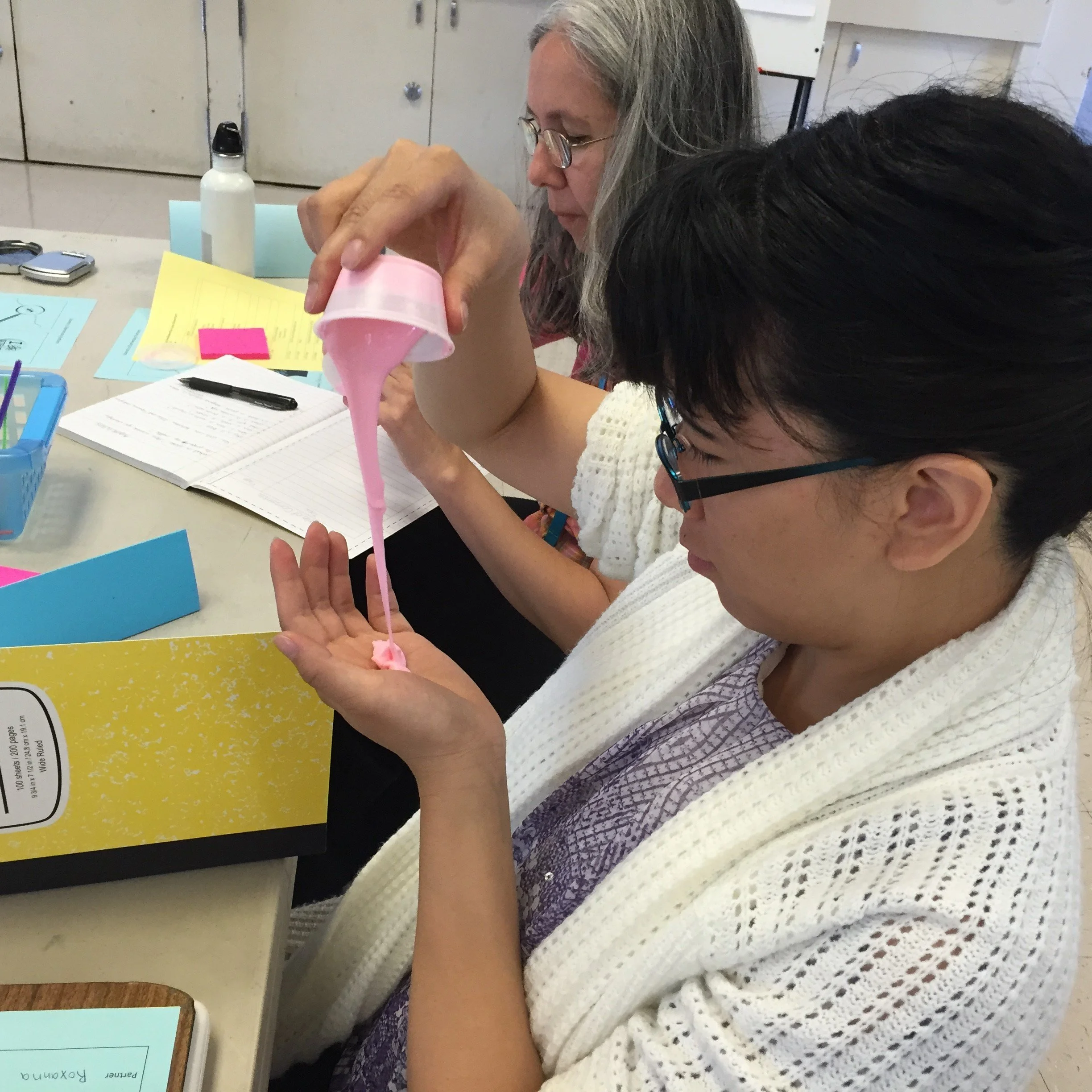
Araceli’s playdough, before
Araceli made playdough with her class several times a year. The kids loved digging their hands into the gooey playdough, mixing colors, and making different shapes.
Araceli’s playdough, now
Today Araceli’s class still makes playdough.
Now they talk about which tools to use to measure the water and the flour. They compare the properties of liquid water to powdery flour and baking soda, and they talk about how heating everything together changes the liquid and solid into something completely different!
They wonder what other ingredients can be used to make playdough, and what else heat can do. Araceli turned the play already happening in her classroom into intentional science learning. Rather than changing the experience, she changed how she does it.
Training modules
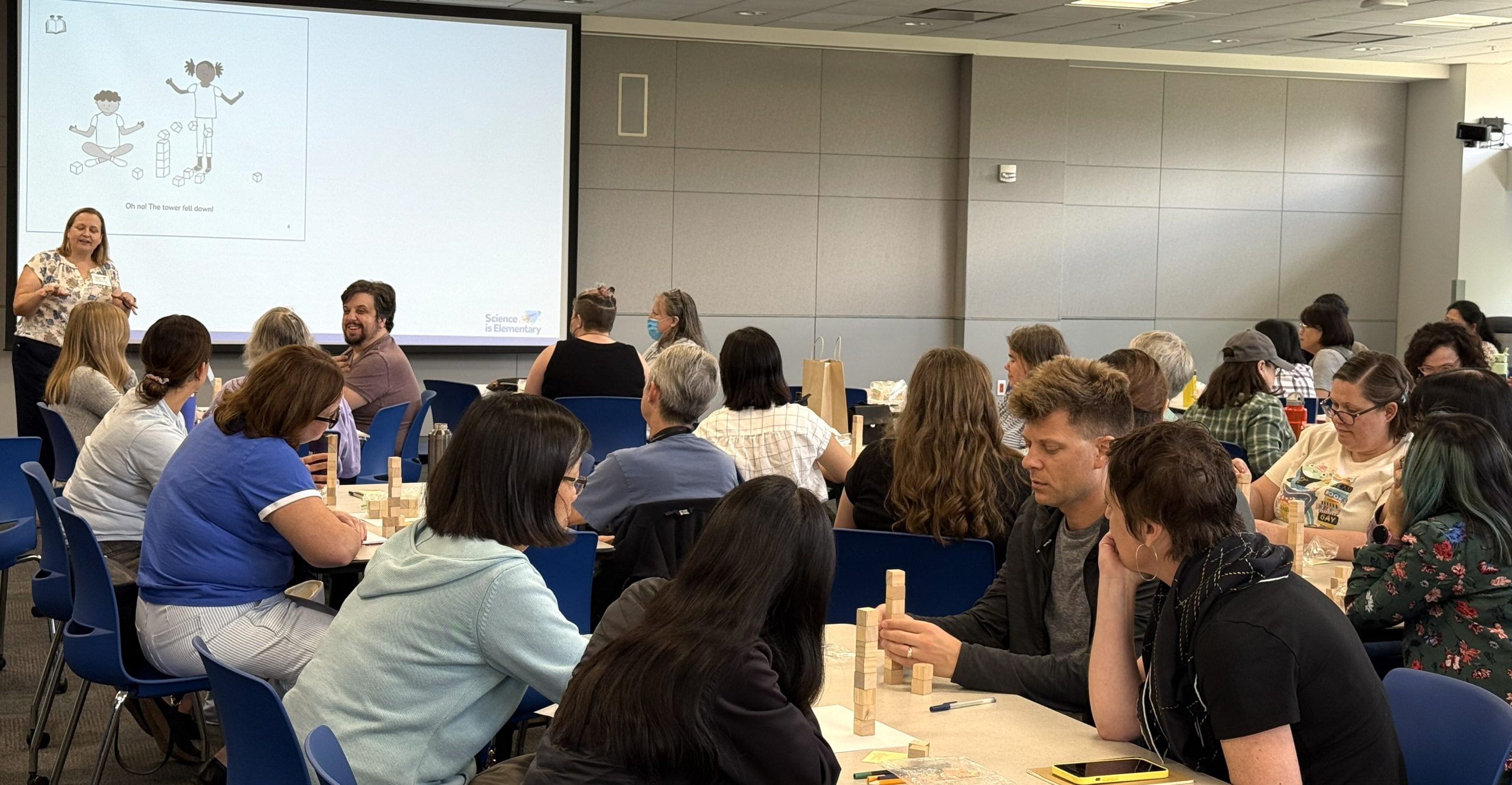
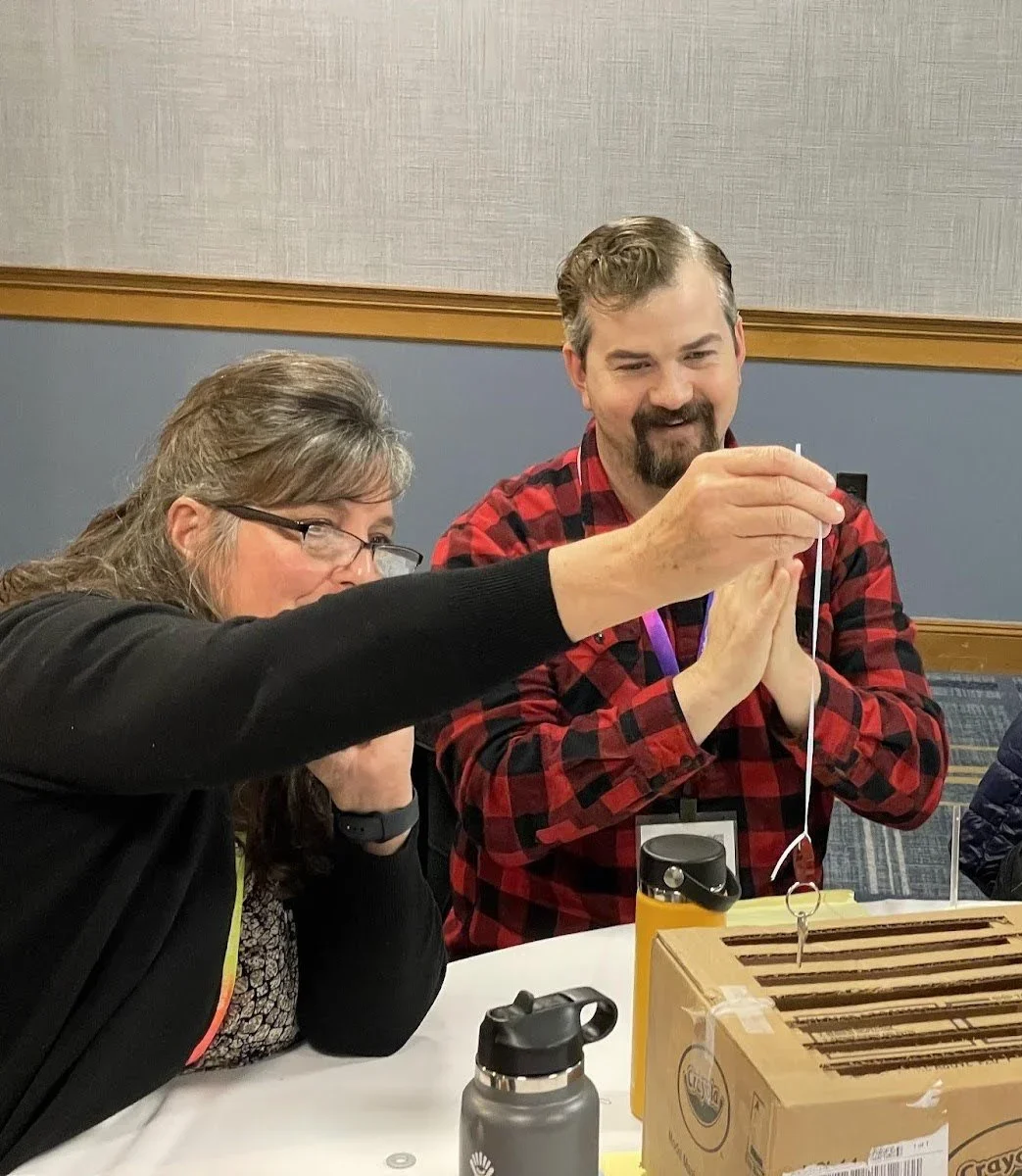
Our training modules pair scientific practices with the play already happening in classrooms.
Educators leave with a framework they can use the next day, with materials most classrooms already have.
-
 Encouraging observations
-
Cultivating questions
-
Using models in play
-
Counting and Comparing in Play
-
Investigating and evidence in play
-
Collaborating and sharing ideas
-
Early engineering and problem solving
Preschool curriculum
Eleven units, each built around a Science is for Me! book.
Each of the eleven units, intended for three and four year olds, is designed to be spread out over days or weeks, with a mix of small group work, whole group time, and materials children can explore on their own during free play. A teacher might put toy cars in the free play basket on Monday, read the story at circle time on Tuesday, and work through the push and pull chart with a small group at centers on Wednesday.
All modules and curriculum are aligned with California’s PTK Learning Foundations for math and science, the Next Generation Science Standards (NGSS), and support your DRDP assessment strands directly.
All modules and curriculum are aligned with California’s PTK Learning Foundations for math and science, the Next Generation Science Standards (NGSS), and support your DRDP assessment strands directly.
In their words
Connecting what teachers know to new science.
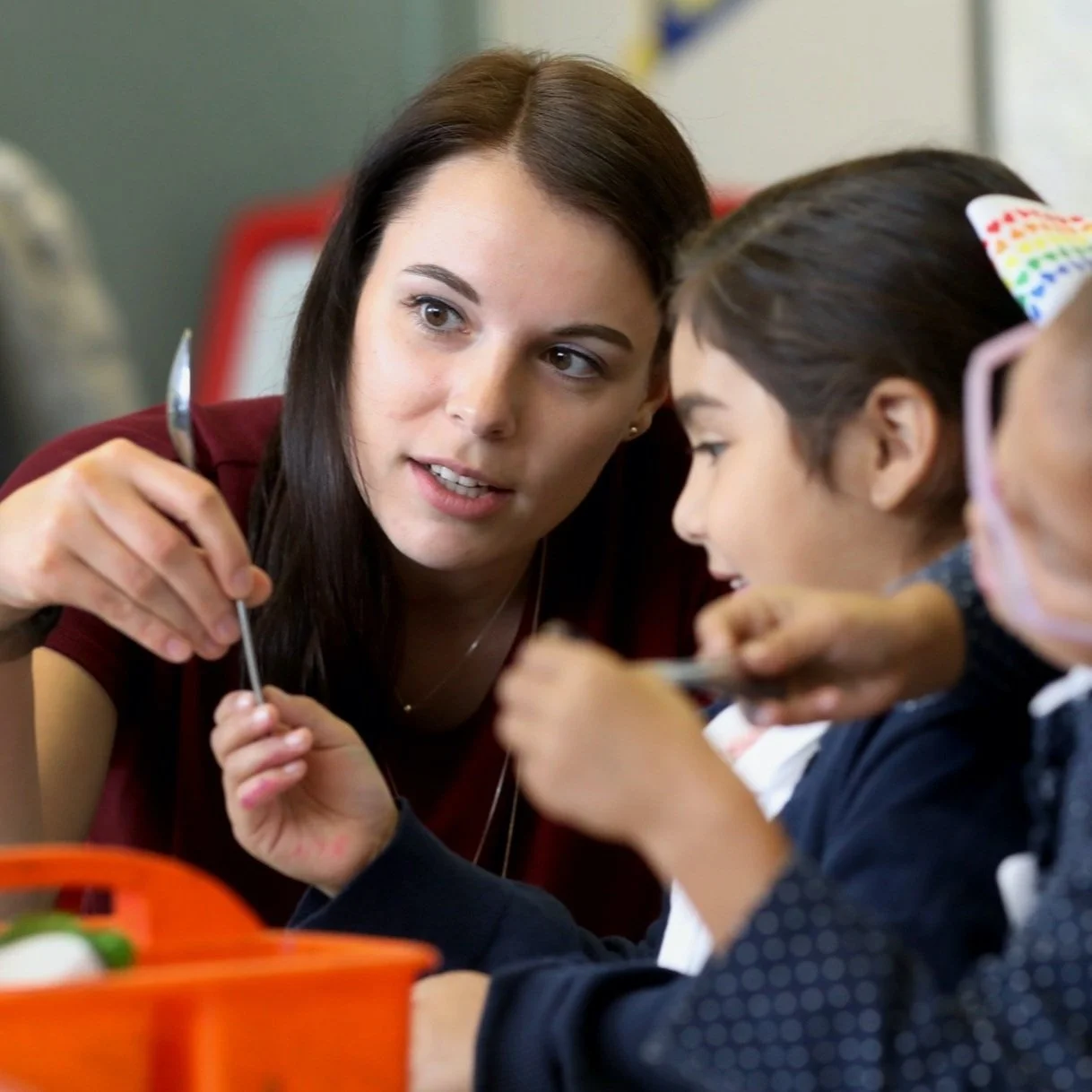
Directors tell us the training starts from what their staff already do well.
“Science is Elementary’s training is effective in helping teachers connect existing knowledge to new science concepts.”
Kiri, Preschool Director
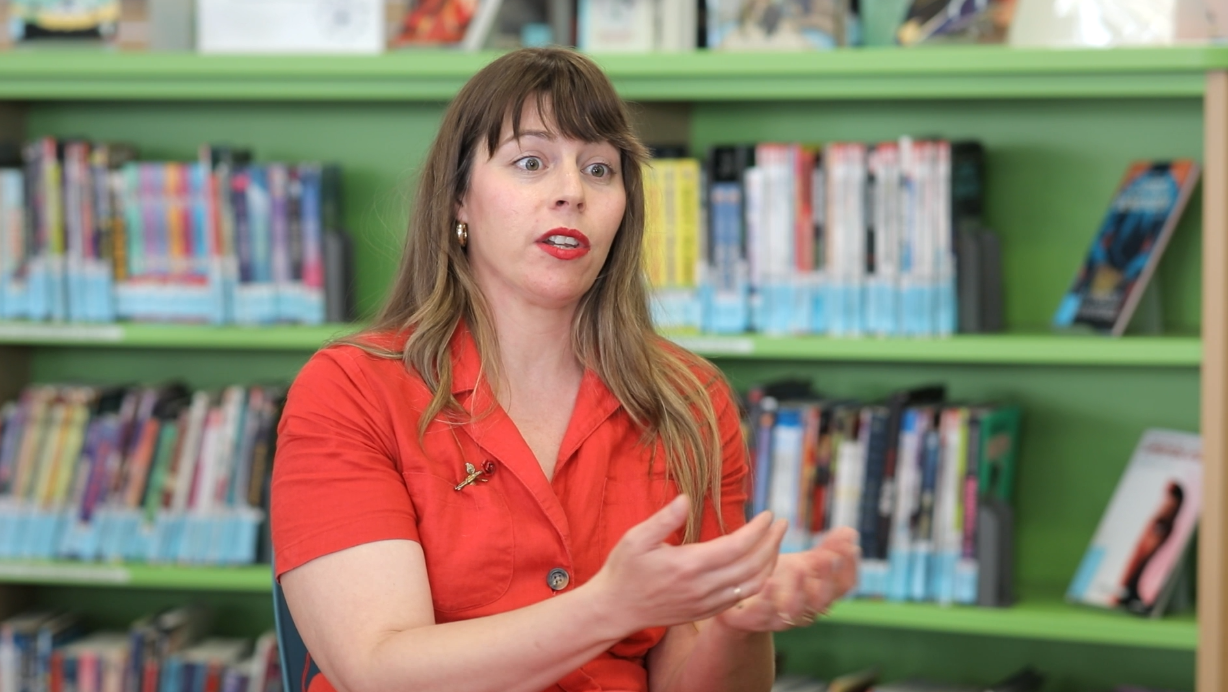
What the sessions cover
Trainings typically include two sessions.
Library staff leave with the ability to run simple STEM activities using what the branch already has, and a Science is for Me! sample kit for every participating branch. We trained roughly 75 librarians across the San Jose Public Library system. They rated it 4.5 out of 5.
-
The librarian as facilitator: dispelling the expert myth, co-discovery, and what it looks like to model scientific thinking in front of a child rather than for one.
-
Practical strategies: how to develop and execute STEM programs for children of different ages, with an emphasis on the mixed-age groups typical of library programming
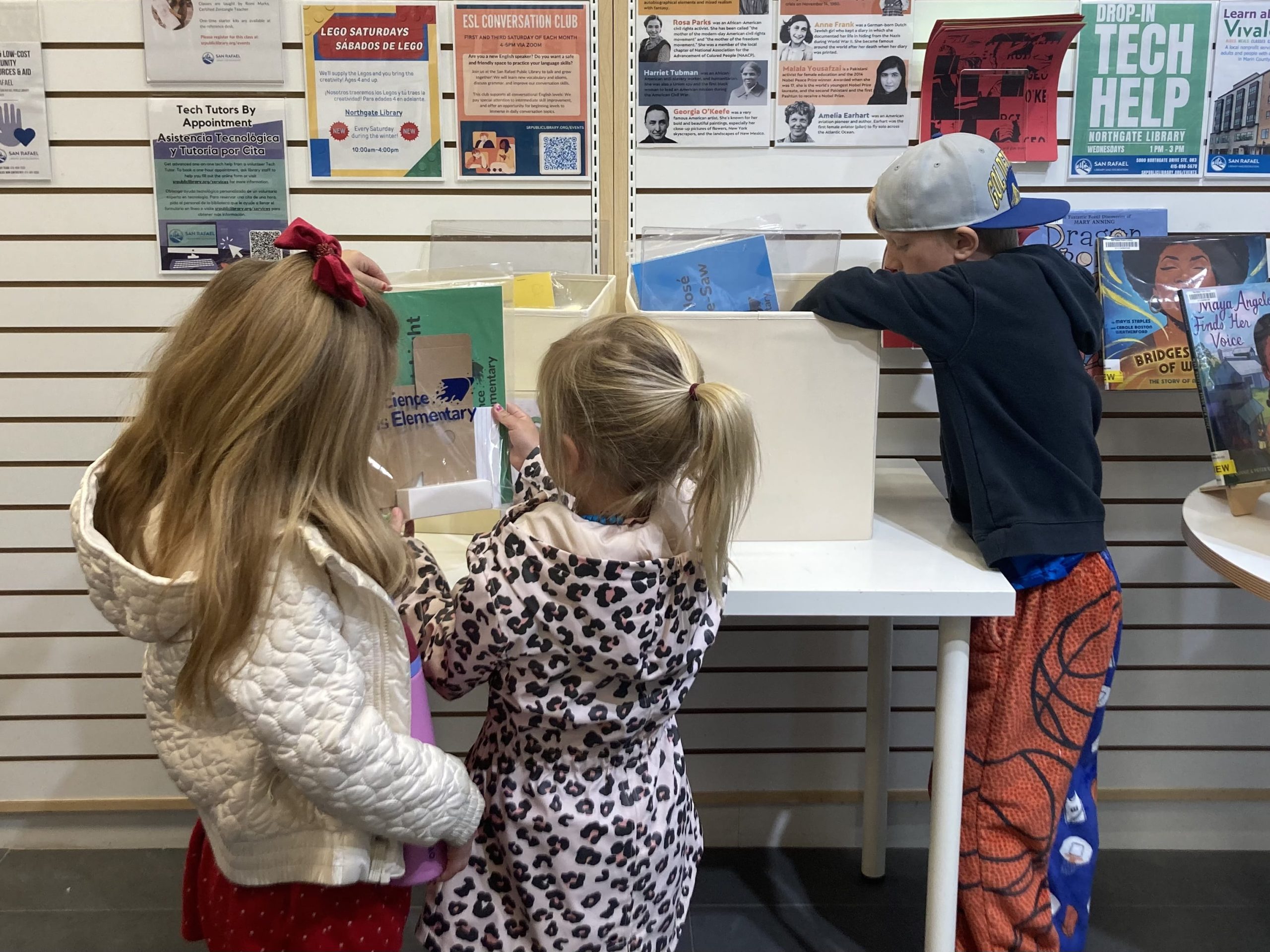
We trained roughly 75 librarians across the San Jose Public Library system.
Library staff leave able to run simple STEM activities and every participating branch gets a Science is for Me! sample kit.
75
Librarians trained across the San Jose Public Library system.
4.5 / 5
Average rating from participating library staff.
85%
Rated the training a four or a five.
For school districts
TK through 2nd grade
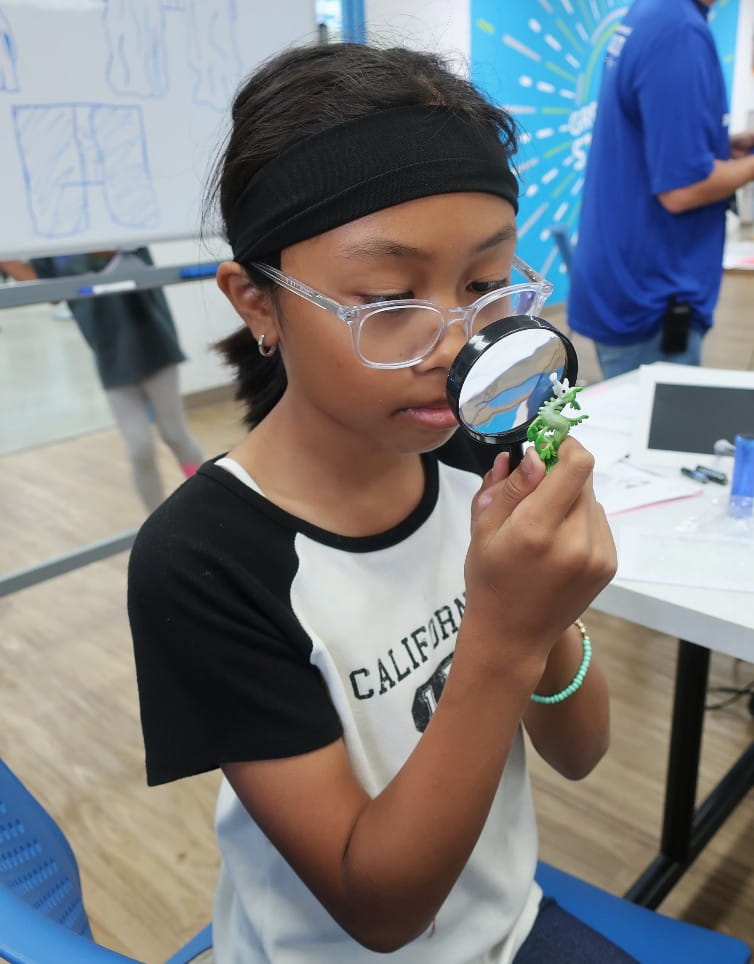
What we focus on
We started here, in district classrooms, and roughly 200 teachers have come through it. Our focus is the science and engineering practices, and how science and literacy support each other rather than compete for the same block. It’s curriculum agnostic. Teachers can use Science is for Me! books, and plenty do, but the practices work with whatever your district has already adopted.
How the format works
An initial three-hour session, then four one-hour sessions across four to six months, with professional learning community facilitation between them. Teachers learn new ideas and strategies, implement them in their classrooms, and discuss their learnings with colleagues regularly. We use this format because humans learn better over time.
How it works
In person and virtual options are both available, and virtual saves travel time and cost for systems spread across multiple sites.
Built around your calendar
Sessions are customized to your staff’s schedule, your goals and your professional development calendar.
In person
Our team comes to your site and runs the sessions with your staff in the room.
Virtual
Sessions are run live over Zoom, with your staff joining from their individual sites.
Who delivers it
The people behind the training.
Jennifer Urmson, Director of Curriculum
Has taught hundreds of preschoolers, kindergarteners, and first graders. She wrote many of the Science is for Me! books, including the preschool series, and has trained preschool teachers, elementary teachers, and librarians on integrating science and literacy.
Holly Shaw-Faria, Early Childhood Specialist
Taught children ages zero to six for years. She encountered Science is Elementary as a Transitional Kindergarten teacher, when our staff came in to teach. She holds a BA in Child and Adolescent Development, an MA in Education, and a Multiple Subjects credential.
BRING IT TO YOUR COMMUNITY
Tell us about your setting.
A library, an after school program, a school or a district. We will come back with what it takes to run it with you.
"*" indicates required fields