
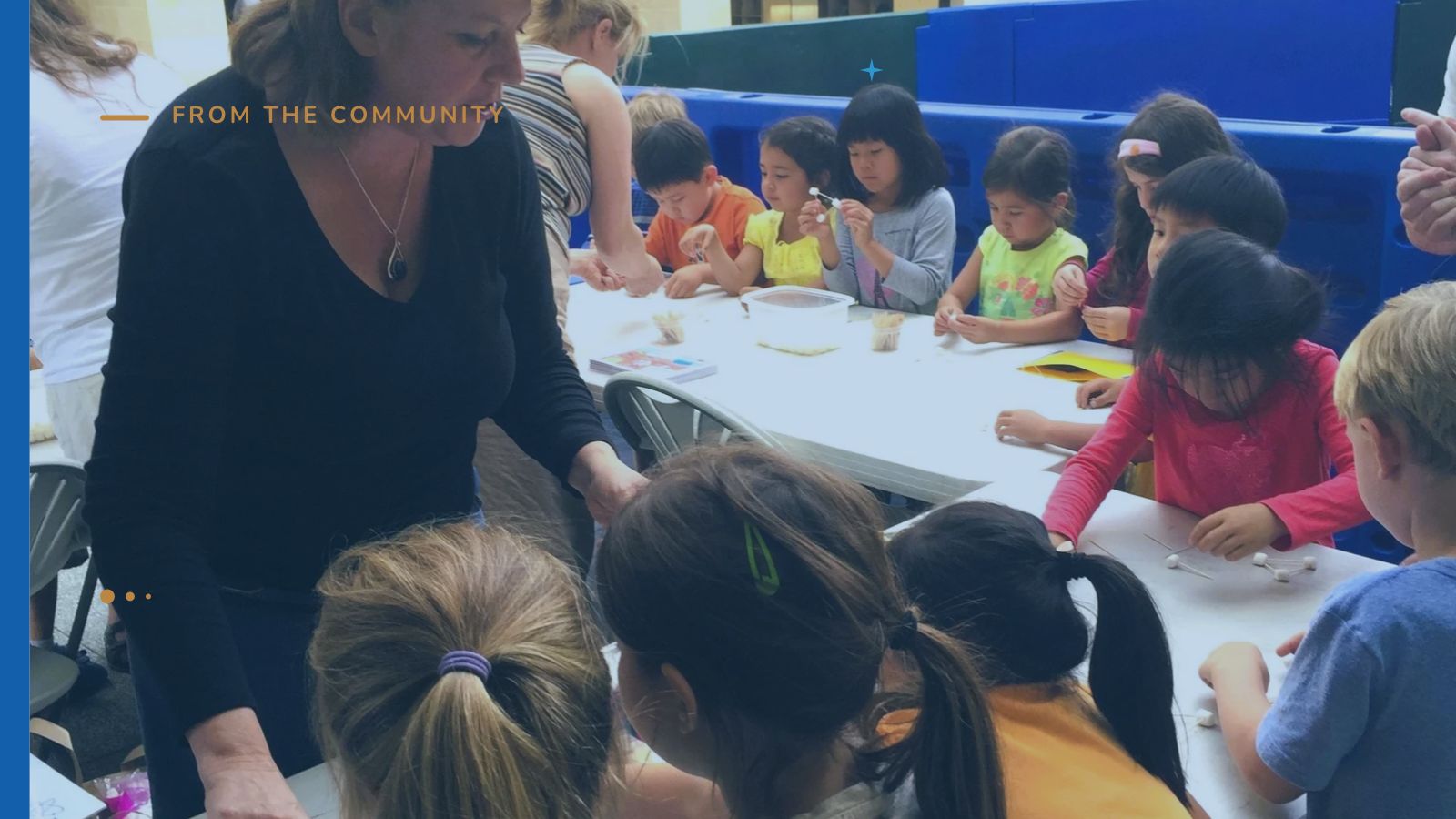
When is the best time to start teaching kids science?
The answer is simple: the sooner, the better! Engaging children in science from an early age lays the foundation for a lifelong curiosity about the world around them.
The Early Years
According to the National Science Teachers Association’s Position Statement on Early Childhood Science Education, children as young as three can benefit significantly from science exploration. Involving them in science and engineering experiments during these formative years sparks curiosity and enjoyment.
Exploring the Senses
A powerful way to introduce science to young children is through sensory exploration. Even infants and toddlers can begin exploring by touching, smelling, observing, and manipulating objects. As a child begins to navigate the world, use questions like, “What does this feel like?” or “What does this smell like?” As language skills develop, progress to more explanatory questions such as, “Why do you think that happened?” or “What do you think would happen if…?”
For example, when playing with a rolling toy, investigate why it rolls down a driveway by experimenting with situations where it doesn’t. Another engaging activity involves placing different types of balls in the water to explore sinking and floating.
The ideal time to start teaching kids science is at the earliest opportunity. By embracing a play-based, sensory approach, we can keep that sense of wonder alive. At Science is Elementary, we are committed to laying the groundwork for future scientists right from the start.
Bring Science is Elementary to your community
